

For Clients
Find Clarity. Discover Your Strength.
Starting therapy is hard! First of all, you’re thinking about starting therapy because you’re not feeling your best (and maybe that’s putting it very mildly). Then you’re looking through listings and websites of strangers trying to figure out who you might be willing to trust with your most vulnerable self.
On top of that, maybe you have no clue what to expect when you log into you first meeting with your therapist. What are they going to say? What are you supposed to do? And if you do know that, you might not know if what your therapist is doing is helping, or how or when to speak up.
At Gradient Psychology, we believe in taking the mystery out of therapy. That means letting you know what to expect every step of the way. It also means putting the power in your hands while giving you expert guidance on taking charge of your mental health needs.
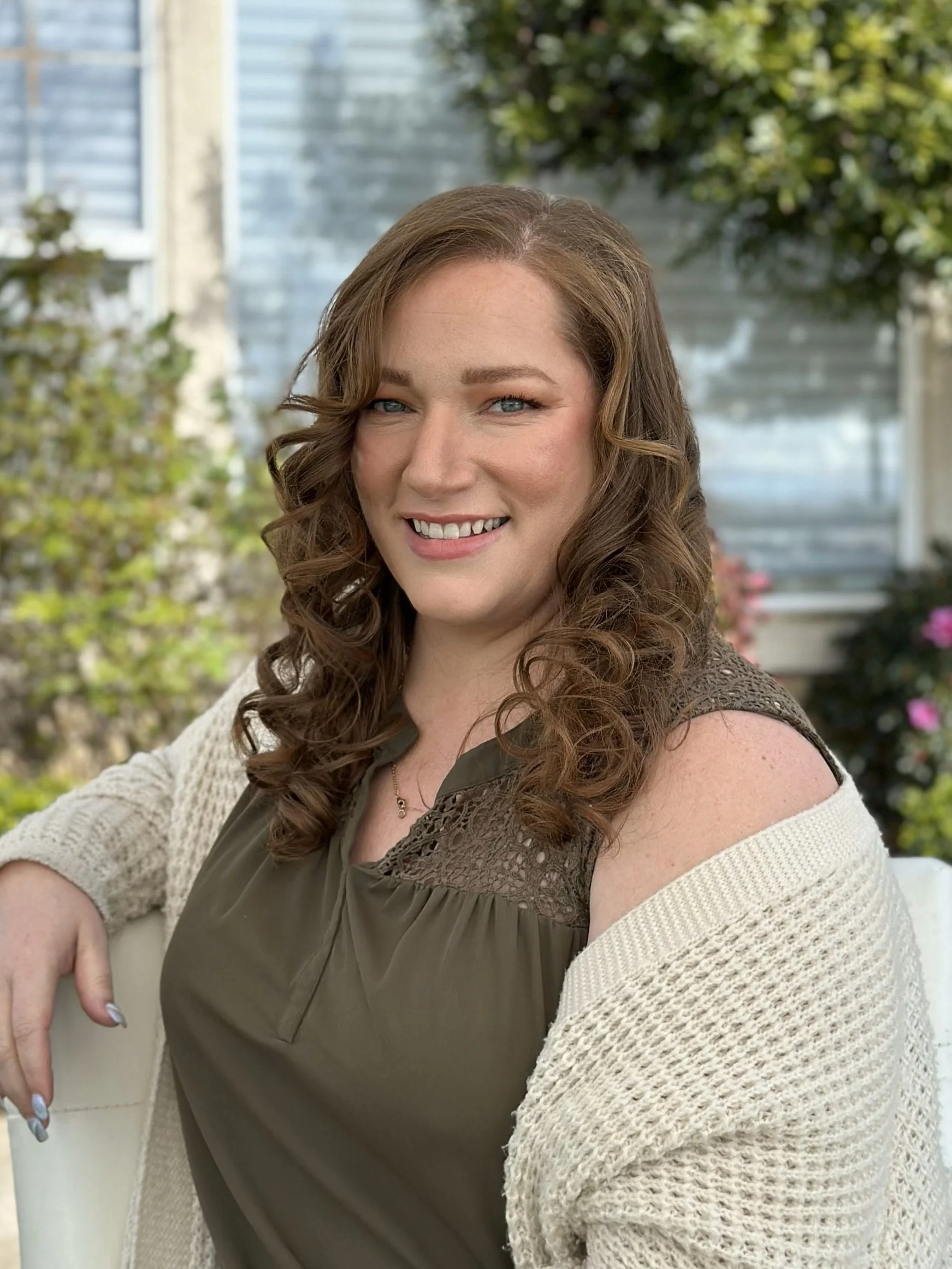
Is Dr. Gray right for me?
She might be if you:
Are struggling with symptoms of depression, anxiety, burnout, trauma, and stress
Like direct, clear, and proactive communication
Want both practical, real tools for symptom relief AND support to resolve the underlying causes
Are ready to see things in your life change for the better
FAQs
-
The clients who get the most out of working with me tend to:
Be neurodivergent (possible Autism, ADHD, Complex-Trauma)
Be parents or caregivers
Have a history of interpersonal violence (child abuse, domestic violence, sexual assault)
Intellectualize their challenges
Enjoy a structured, but flexible approach
Feel that other people do not understand them
Prefer authentic and direct communication
Be sensitive to matters of justice and equity
That said, I have worked with clients from all walks of life and with many different kinds of needs from therapy. A true generalist, my work has included non-profit clinics, schools, residential facilities, adults, children, and more.
My first love was providing family therapy and seeing the whole family together to make big-impact changes. I also focused my doctoral dissertation on treating victims of sexual assault, and received specialized training in intimate partner violence. Through working with families, I expanded into parenting support and parent education - helping parents navigate the complexity of caregiving in such a challenging world.
I now also work with neurodiverse populations - especially folks who are exploring the possibility of being Autistic or ADHD later in life. More than a quarter of adult clients seeking outpatient therapy are diagnosed with either ADHD or Autism - things we used to only see diagnosed in childhood, except in rare cases.
Additionally, clients are given the space to be their truest selves. I am both neurodivergent & LGBTQ+ affirming/informed. I have worked with clients of varying religions, ethnicities, and lifestyles. All people deserve dignity, respect, and basic human decency. -
Not currently. Maintaining a small caseload means that I can give each client my full focus. For that reason, I’m also not taking on new insurance-based clients.
You may have Out-of-network benefits through your insurance. If that is the case, I can provide you with a Superbill. A Superbill can be submitted to your insurance company for possible partial or full reimbursement of your session fees, depending on your benefits. It is usually best to call your insurance provider first to understand your benefits, as they are the only ones who can advise on your policy. -
Each session will be scheduled for 45 minutes. To ensure that the time is used wisely, it is best to be ready to start promptly to use all available session time.
-
Once you book your first session, you will receive an email with more detailed information about what to expect along with the required intake forms which must be completed before the appointment.
Once we open the meeting and introduce ourselves, we will go over the legally-required information about confidentiality and a few other policies and such.
After that, we get down to the work of getting to know each other a little with two main purposes:
1) Getting to know you and your goals for therapy2) Deciding if this is the right fit for you in order to meet your goals
The relationship between you and your therapist is the biggest factor in what will determine how much your therapy will help you.
Chances are, though, if everything you’re reading sounds good to you, we will probably do just fine together. Still, what’s most important is you getting your needs met - and if that means saying goodbye after one session, that’s just fine.
In the more likely case that things feel good, we will find a regular time to meet - usually once weekly - and schedule that in for ourselves.For many folks, the first session is nerve-wracking - you’re meeting someone new, sharing some of the hardest parts of yourself and your life, but also spending considerable time talking about things that don’t feel that important to you at that time.
Many people start therapy when they most need relief. Unfortunately, the first therapy session does not usually yield the immediate change that folks can wish for.After our first session, you should feel:
More hopeful about the things that are challenging for you
Seen, heard, and understood
Clear about your options in our work together
Clear about your rights and responsibilities
Ready to meet again soon and take your next steps towards a healthier life
-
Yes!
You are allowed to ask me any question at all that you want.
It is up to me to determine whether or not and how to answer any question. Some information I choose to keep private, and other times how I respond will have more to do with what I notice in you and our work.
But most of the time, I will just tell you the answer.
The most common question coming up these days when working with someone new is related to my personal political participation. That is: “who did you vote for?”
Answer: never Trump. (Not then, not now, not ever. Not even close.)
My vote is a reflection of the kind of world I want to live in. Therefore, my vote is a reflection of my values and worldview. Since turning 18, I have consistently voted in favor of candidates and policies that support the expansion of social support systems, increases in equity across populations, reductions in wealth inequality, and more.